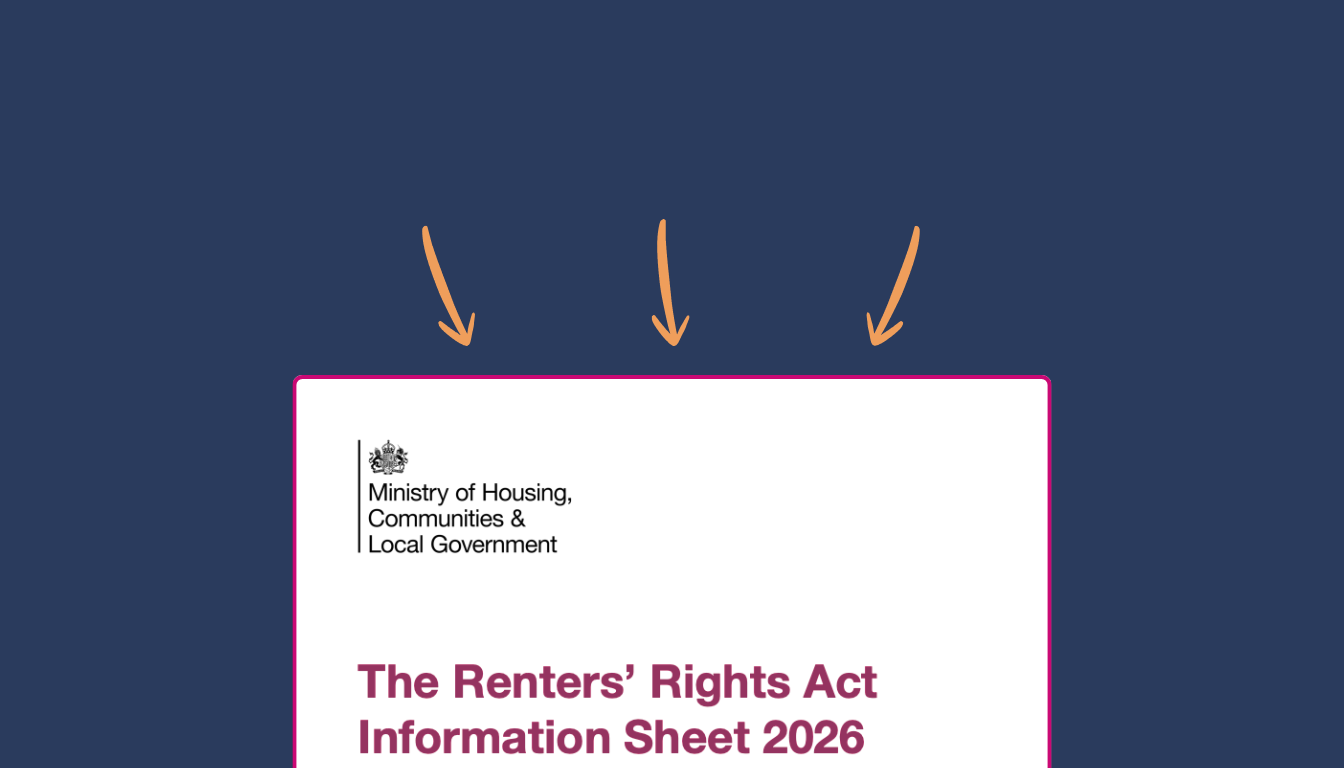
On 22nd June 2026, councils in England got a new power to fine landlords up to £7,000 for leaving a serious hazard in a rented home. The day after, on 23rd June, the rulebook councils use to decide what counts as a serious hazard was rewritten for the first time in about 20 years.
Most landlords have heard about the fine. Fewer have read the rulebook, and that is the one that changes what an officer is looking at as they walk through your house.
Housing Secretary Steve Reed framed the point as speed: “Renters deserve a safe, secure place to call home and our landmark Renters’ Rights Act gives councils more options to take speedy action against rogue landlords.”
When A Council Can Fine You
The Renters’ Rights Act added a new section 6A to the Housing Act 2004. Two conditions have to be met.
There has to be a Category 1 hazard, meaning one serious enough that the council is required to act on it. And the council has to be satisfied that dealing with it would have been reasonably practicable for you.
That second condition is the one to sit with. It puts your response under examination alongside the property itself.
On the amount, say an officer visits and finds damp, faulty wiring and a fire door that will not close. Three separate hazards could mean three penalties of up to £7,000 each, so £21,000 for one visit. Where several hazards come from the same problem, such as a broken boiler causing both cold and mould, the council can issue a single £7,000 penalty instead.
Why £7,000 Is The Small Number
The headline figure is the lowest financial penalty a council can reach for, and far from the worst.
If a council issues an improvement notice and you do not comply, that is a separate offence under section 30(1) of the Housing Act 2004. Government guidance sets a starting point of £25,000 for that penalty, against a statutory maximum of £40,000. The council can prosecute instead if it prefers.
The same guidance sets a starting point of £17,000 for operating an unlicensed HMO where a licence is required, and £20,000 for knowingly permitting an HMO to be over-occupied.
None of that escalation is new. What is new is a quick, low-cost first penalty that can start the process off.
What Counts As A Hazard Now
The rulebook officers use is the Housing Health and Safety Rating System (HHSRS). Two things changed. There are now 21 hazards instead of 29, and the old A to J grades became High, Medium and Low. High means Category 1, which is the band that carries the fine.
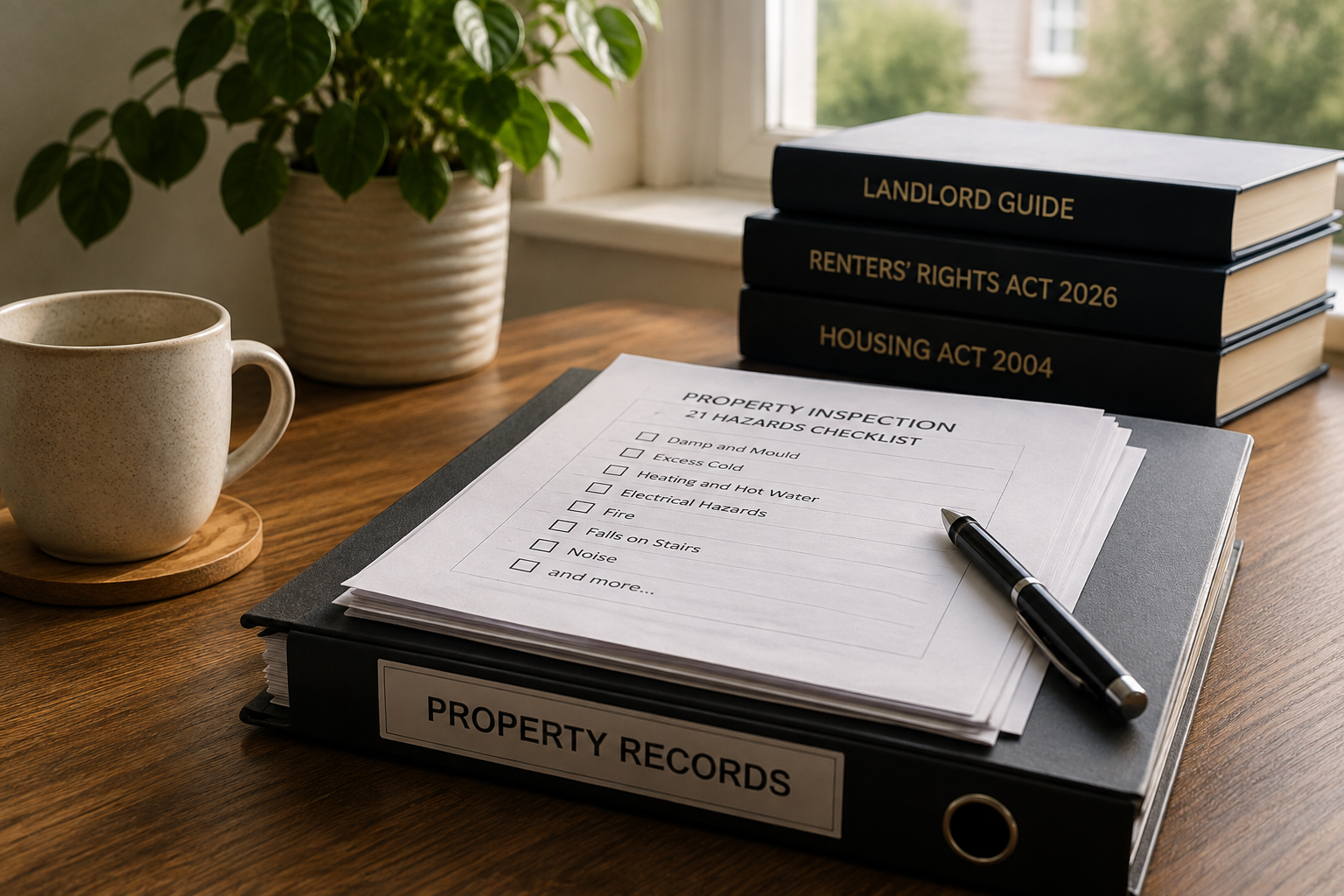
The government has published the full list of 21 hazards in its landlord and agent guide. It is worth ten minutes of your time.
Why HMOs Are More Exposed
Almost all of it comes back to how many people live there.
Damp and mould build up faster when five people cook, shower and dry washing in a house built for a family of four. Electrical problems grow with the number of appliances plugged into rooms that were never wired for them. Stairs wear differently when one staircase is used from early morning to late at night. Noise is a hazard in its own right, and it is the one most likely to reach a council through a tenant complaint rather than an inspection.
What To Check
Start with the houses. Go through each one against the 21 hazards instead of your old checklist, because a list built around the old 29 will not line up properly.
Then check your paperwork. An officer looking at mould will want to know when it was reported, what you did, how long it took and whether anyone worked out what was causing it. The wall shows them the problem. Only your records show them how you responded.
Three gaps are worth looking for.
- Problems that were reported but never logged. The tenant can show the message they sent. You fixed it, and have nothing dated to prove when.
- Damp treated as the tenant’s fault. Telling someone to open a window, without checking what is causing it, looks like a landlord who was told about a problem and left it.
- Portfolios where only some houses are documented. One with certificates, inspection notes and a repair history, and the next with certificates only, gives a council that has already fined you a reason to keep looking.
Get the paper trail right and an inspection stays a conversation about the house. Without it, it becomes a conversation about you.
On 22nd June 2026, councils in England got a new power to fine landlords up to £7,000 for leaving a serious hazard in a rented home. The day after, on 23rd June, the rulebook councils use to decide what counts as a serious hazard was rewritten for the first time in about 20 years.
Most landlords have heard about the fine. Fewer have read the rulebook, and that is the one that changes what an officer is looking at as they walk through your house.
Housing Secretary Steve Reed framed the point as speed: “Renters deserve a safe, secure place to call home and our landmark Renters’ Rights Act gives councils more options to take speedy action against rogue landlords.”
When A Council Can Fine You
The Renters’ Rights Act added a new section 6A to the Housing Act 2004. Two conditions have to be met.
There has to be a Category 1 hazard, meaning one serious enough that the council is required to act on it. And the council has to be satisfied that dealing with it would have been reasonably practicable for you.
That second condition is the one to sit with. It puts your response under examination alongside the property itself.
On the amount, say an officer visits and finds damp, faulty wiring and a fire door that will not close. Three separate hazards could mean three penalties of up to £7,000 each, so £21,000 for one visit. Where several hazards come from the same problem, such as a broken boiler causing both cold and mould, the council can issue a single £7,000 penalty instead.
Why £7,000 Is The Small Number
The headline figure is the lowest financial penalty a council can reach for, and far from the worst.
If a council issues an improvement notice and you do not comply, that is a separate offence under section 30(1) of the Housing Act 2004. Government guidance sets a starting point of £25,000 for that penalty, against a statutory maximum of £40,000. The council can prosecute instead if it prefers.
The same guidance sets a starting point of £17,000 for operating an unlicensed HMO where a licence is required, and £20,000 for knowingly permitting an HMO to be over-occupied.
None of that escalation is new. What is new is a quick, low-cost first penalty that can start the process off.
What Counts As A Hazard Now
The rulebook officers use is the Housing Health and Safety Rating System (HHSRS). Two things changed. There are now 21 hazards instead of 29, and the old A to J grades became High, Medium and Low. High means Category 1, which is the band that carries the fine.
The government has published the full list of 21 hazards in its landlord and agent guide. It is worth ten minutes of your time.
Why HMOs Are More Exposed
Almost all of it comes back to how many people live there.
Damp and mould build up faster when five people cook, shower and dry washing in a house built for a family of four. Electrical problems grow with the number of appliances plugged into rooms that were never wired for them. Stairs wear differently when one staircase is used from early morning to late at night. Noise is a hazard in its own right, and it is the one most likely to reach a council through a tenant complaint rather than an inspection.
What To Check
Start with the houses. Go through each one against the 21 hazards instead of your old checklist, because a list built around the old 29 will not line up properly.
Then check your paperwork. An officer looking at mould will want to know when it was reported, what you did, how long it took and whether anyone worked out what was causing it. The wall shows them the problem. Only your records show them how you responded.
Three gaps are worth looking for.
- Problems that were reported but never logged. The tenant can show the message they sent. You fixed it, and have nothing dated to prove when.
- Damp treated as the tenant’s fault. Telling someone to open a window, without checking what is causing it, looks like a landlord who was told about a problem and left it.
- Portfolios where only some houses are documented. One with certificates, inspection notes and a repair history, and the next with certificates only, gives a council that has already fined you a reason to keep looking.
Get the paper trail right and an inspection stays a conversation about the house. Without it, it becomes a conversation about you.